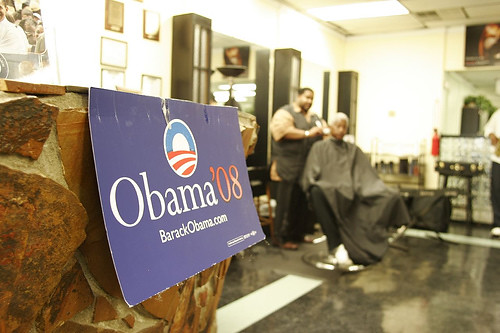
Monday, February 4, 2008

Fighting Together for Something We All Believed In

In 2004, I worked for the North Carolina Democratic Party’s Coordinated Campaign. With then-sitting U.S. Sen. John Edwards (D-NC) on the national ticket as John Kerry’s running mate, North Carolina was thought to be in play for the fall.

So for the first time in years (if not ever), the various Democratic campaigns in N.C. reached an agreement to fund voter registration efforts. In the past, this work had been left to non-profits and other, non-party groups. This time around, the state party was determined to go the extra mile to try and turn North Carolina blue for Kerry-Edwards, not to mention holding onto Edwards’ Senate seat by helping former White House chief of staff Erskine Bowles beat Rep. Richard Burr (R-N.C.).

A team of voter registration organizers were brought on board, and dispersed throughout the state in areas with historically high levels of Democratic turnout. As one of the few organizers with past voter registration experience, I was placed in charge of Durham and Orange counties, the state’s Democratic strongholds. Although they account for only 2% of the 100 counties in North Carolina, Durham and Orange typically produce 25% of the statewide Democratic vote.


Our voter registration goal for the cycle was 42,000. As it turned out, the party fell short of its goal, and only registered about 34,000 new voters in all.

In Durham and Orange, however, we blew past our goals and signed up 9,200 voters, approximately 27% of the total number registered statewide. Even better, nearly two-thirds of them were Democrats, versus a very low number of Republicans, maybe 10-15 percent.


We were far from the only group in town doing voter registration. Everywhere you turned, it seemed, someone was registering voters that year. Non-profit advocacy groups like Democracy North Carolina and NC NARAL, grassroots alliances like Durham for Kerry and the local MoveOn chapter, they all launched their own voter registration drives before the Democrats even got started. The student governments at UNC-CH, NCCU and Duke registered students to vote, in official drives that were separate from the voter registration efforts we and other groups helped coordinate on the three campuses.

But even with lots of competition, we were able to produce such high numbers for several reasons. The pool of potentially unregistered, Democratic-leaning voters in both counties was deep by definition, in the state’s two most liberal counties. Even folks normally detached from politics were energized by the unfolding disaster of George W. Bush’s first term in the White House, and the mess he’d gotten us into by invading Iraq. And although North Carolina hadn’t voted for a Democratic presidential candidate since Jimmy Carter in 1976, people thought this year, with John Edwards, a sitting U.S. Senator from our own state on the national ticket, North Carolina might just go blue.

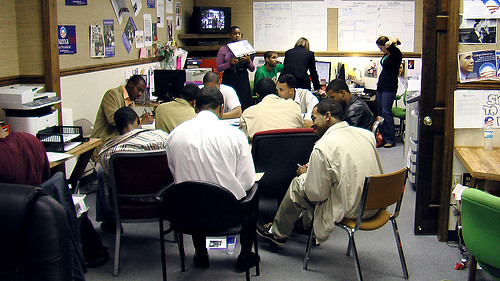
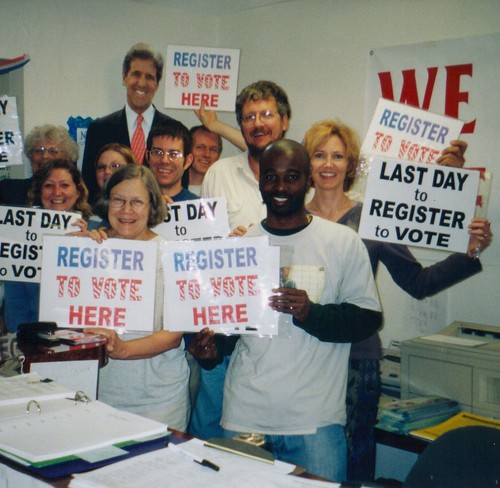
The most important factor was that we mobilized a ridiculous number of local volunteers into a grassroots voter registration army. Traditionally, volunteering for a political campaign means signing up for one of three basic activities – phonebanking, canvassing voters door-to-door, or databasing. Some people are willing to do any of the three, and some prefer one activity over the others. But when we started running two training sessions a day for volunteers to learn how to register voters, people got interested fast. Soon, we had to find more and more sites to send the avalanche of volunteers who decided they liked going out into the community and registering new voters.


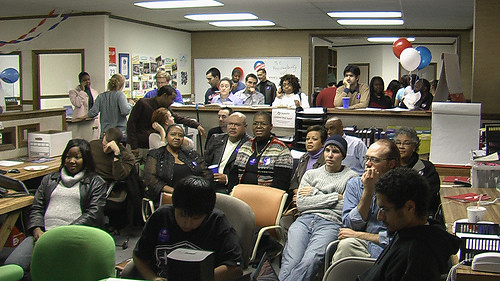
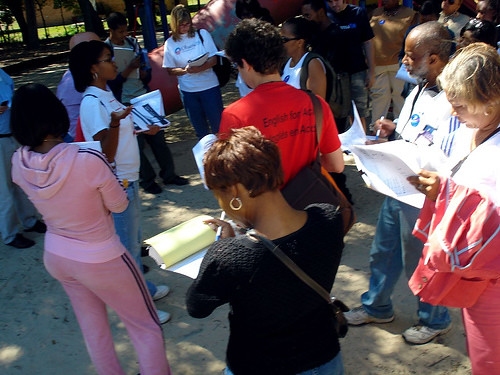
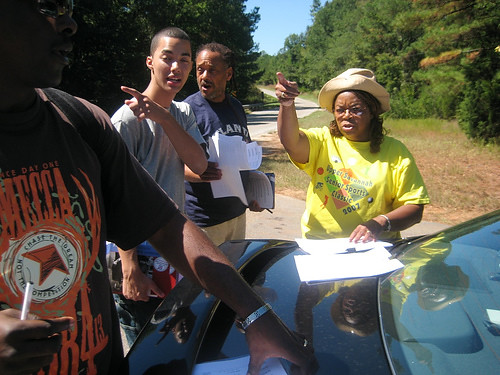
By the voter registration deadline in early October, more than 400 volunteers were working with us to register voters in both counties, with teams on the ground three shifts a day. From the Durham Democratic party headquarters, we deployed volunteer voter registrars to high-traffic sites all over Durham and Orange – grocery stores, bus stations, college campuses, libraries, concerts, festivals, and anywhere else where we could get permission to register voters.

Our voter registration volunteers were an amazing bunch. They were willing to go wherever we sent them, whether it was registering liberal yuppies on the lawn of Weaver Street Market in Carrboro or low-income residents of East Durham outside the Lowe’s Foods on Holloway Street. They set up shop for hours at a time to snare new voters, braving rain and cold, sometimes not returning to the office until late at night with their stacks of completed voter registration forms.


Although we were Democrats, our voter registration was non-partisan – we registered anyone who wanted to, including Republicans. During 2004, Republican parties in several battleground states hired companies to conduct shady voter registration drives. Democrats were registered, but their forms were thrown out instead of being properly delivered to local elections boards. The N.C. Democratic Party made it clear to everyone involved with its voter registration efforts that failure to turn in filled-out voter registration forms was a firing offense, or cause for a volunteer’s dismissal.


Still, there were plenty of places that wouldn’t allow even non-partisan voter registration on their premises. We couldn’t register voters, and neither could any non-profit organization that wasn’t a political party. These included places like the major malls in Durham, Wal-Mart locations, and surprisingly, all the area post offices, except the Franklin Street branch in downtown Chapel Hill, which has a long-standing tradition of allowing citizens to petition outside on its plaza.

As our volunteer ranks exploded, and the number of voters we were adding to the rolls reached into the thousands, everyone started getting giddy. We thought maybe we could drum up enough new voters in Durham and Orange alone to tip the statewide balance and win North Carolina for the Democrats.


On the last day of voter registration for the November elections, I encouraged several of my most hardcore, committed volunteers to go directly to some of these same high-traffic places where we’d been forbidden to register voters. We discussed strategies to use when they’d inevitably be asked to leave, and what might play out. It was up to them whether they wanted to commit civil disobedience for the cause of voter registration, but several folks were willing that day, and they did. One courageous volunteer, Susan Baylies, later wrote an account of her experience that appeared in the Independent Weekly’s Front Porch:

Guerrilla registrar

by SUSAN BAYLIES

Before this election season I didn't consider myself very political. I always vote for president, but I rarely noticed those little elections. Now my minivan carries card tables, chairs and clipboards of voter registration forms at all times. I think my desire to volunteer was bolstered by MoveOn.org and Fahrenheit 9/11.

One Saturday, I volunteered with a local nonprofit to spend all day driving around, knocking on doors where no one was home, and then leaving lame flyers on doorsteps of already registered voters. It seemed like a colossal waste of time, but the great thing they taught me was how to register voters correctly. I decided that until the Oct. 8 deadline, any time I could spare would go to helping people register.

First I tried going door to door in my own neighborhood. Most people were happy I called on them and several did need to register. Then I began volunteering with the Democrats by setting up a table at Food Lions or Kmarts. It was exciting to sign up first time voters. I made signs to go with each table and then I printed up some T-shirts that read, "Are You Registered to Vote?" I live in those shirts.

As Oct. 8 approached, I found myself going solo asking people everywhere if they were registered. I stopped at a convenience store where a bunch of men were hanging out. They had never voted before, but were glad to sign up if it meant they could help get rid of George Bush.

I saw everything through new eyes, asking myself, "How many potential Kerry voters are in this crowd? Should I speak up?" Sometimes I would be non-partisan, sometimes openly pro-Kerry, depending on whether I thought some manager might ask me to leave. At fast-food restaurants I would hang a sign at my table, "Register to Vote Here."

For the final day I thought a post office would be the best spot. I had heard that the manager at the post office on Estes Street in Chapel Hill had denied permission to the Democrats to set up there. They were covering the other post offices, so I decided to go there anyway. I set up my card table and signs at 2:30 p.m. without asking. I had forgotten my chairs, but some angel sent another self-made guerrilla voter registrar to my side. He approached me with clipboard in arm, wearing a black baseball cap topped with a goofy yellow handwritten sign saying "Register to Vote Here." He said, "I guess we're here for the same reason. Wanna work together?" I said, "Sure, but I don't have any chairs." No problem, he had four chairs in his car but no table. He also pulled out a huge homemade sign saying "LAST DAY to Register to Vote!"

Three or four people immediately flocked to our table, and then the postal manager came out. "It's against our policy for you to set up here, you will have to leave immediately." I made my best case for staying, pointing out that voter registration was allowed at other post offices, including Franklin Street; I was doing my non-partisan American duty and it was the last three hours of voter registration. He brought another employee to back him up, and she said we could move way across the parking lot right by the street, off the post office's private property. I shook my head--no, I don't think so.

By now, a woman who was registering got quite angry and said to the postal worker, "That's ridiculous! What's your name? I'm going to write a letter to the newspaper about this."

With all these supportive witnesses, I pulled out my trump card. "I'm not leaving here until 5:30 p.m. Call the police to drag me away if you don't like it." Baseball cap angel said, "Whew! Sounds like we should call the media right now!" He whipped out a cell phone and began talking to the news desk at The N&O to see if they wanted to send out a reporter. The postal employee blustered, "It's not me, my supervisor has this policy, I just have to enforce my boss' rules." I repeated, "I'm not leaving." Everyone was agitated. Baseball cap suggested he call that boss. So they retreated inside the post office and he came back five minutes later saying we could stay.

We were all elated with the Victory for the People! Baseball cap called off the media and we continued with our brisk registration service, helping 50-60 people register in the next three hours. Several people donated whole sheets of stamps. The postal teller smiled as she hand-stamped the crucial postmark on every form we ran in.

It was a good day to be assertive. I have never been arrested or stood up to authority like that before, but getting out the vote this year is worth it.

- Independent Weekly, Oct. 13, 2004


The volunteers who mobilized to register voters in Durham and Orange then became the backbone of a highly successful early vote campaign and election day GOTV operations. During two weeks of early voting, 46,000 votes were cast in Durham versus 10,600 in 2000; and 33,000 people voted in Orange compared with 9,000 in 2000.
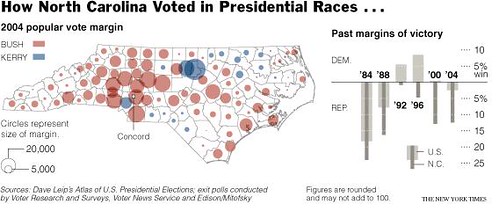


The two biggest blue dots on this map are Orange and Durham counties.

The weekend before the elections, Rep. David Price was on hand to watch the crowd of election day volunteers streaming into our headquarters, so big they filled the parking lot. “They trained 1,000 people in Durham,” he was overheard saying later, in wonderment. It was the largest outpouring of volunteer support ever seen for a North Carolina election.

In the end, all our efforts didn’t matter, because the results in November weren’t even close. Bush took 56 percent of the vote, versus 43.5 percent for the Kerry/Edwards ticket, almost identical to his 56-43 victory in North Carolina over Gore in 2000.

But lots of people got involved in grassroots politics because of our efforts that year, and many of them stayed involved. We registered a lot of Democrats to vote in the Triangle, and helped build a more progressive North Carolina for the future. It was a remarkable election season. I’ll never forget the dedicated, good-hearted people I met and worked with that year, like Susan Baylies. It was a moment when a diverse section of the community came together in a humble office building in Durham to fight together for something we all believed in.


Wednesday, January 30, 2008

Bi-racial coalition carried Obama to South Carolina landslide

OpEdNews, 2-1-08

Voters rejected the politics of division in historic Democratic turnout

Facing a loss in South Carolina, the Clintons did their best to spring a trap on Barack Obama. Their plan was to lower expectations for Hillary, while making an Obama victory appear meaningless. As an unnamed top Clinton adviser admitted to the Associated Press, they would paint Obama as “the black candidate” in a state where African-American voters were 47% of the Democratic primary electorate in 2004.


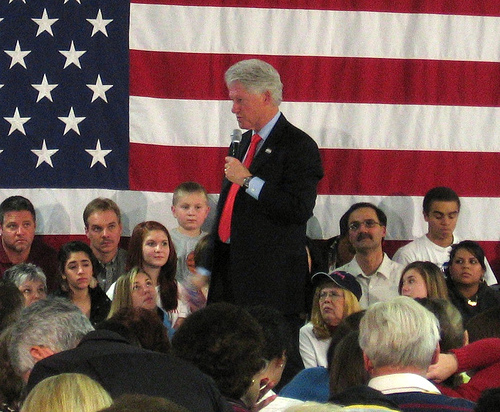
Until the polls closed, it looked like things were going according to schedule. Hillary signaled South Carolina wasn’t a priority by campaigning elsewhere for most of the week leading up to the primary, leaving Bill to tour the state on her behalf.


Pre-election polls seemed to show Obama’s support among white Democrats in S.C. slipping to 10%. A Wall Street Journal headline from the day before the primary epitomized the effects of the Clintons’ spin by proclaiming “To Truly Win in Carolina, Obama Needs Large Margin.” The reporter speculated Obama “will have to win by a double-digit margin in order for voters nationwide to perceive South Carolina as a real victory.”

But despite Bill’s pledge to go door-to-door for Hillary in the black community if necessary, black voters in South Carolina were turned off by the Clinton campaign’s increasing reliance on racially coded appeals against Obama.

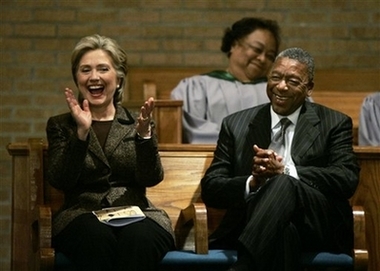
One high profile episode occurred when Clinton supporter Bob Johnson, the billionaire head of BET, raised the specter of Obama’s drug use as a young man at a rally in Columbia, S.C. Defending an earlier comment by Hillary that “Dr. King's dream began to be realized when President Johnson passed the Civil Rights Act," Johnson said, “that is the way the legislative process works in this nation and that takes political leadership. That’s all Hillary was saying.”

He then added, “Hillary and Bill Clinton…have been deeply and emotionally involved in black issues since Barack Obama was doing something in the neighborhood –­ and I won’t say what he was doing, but he said it in (his) book.”

When called on it, Johnson shamelessly denied he was talking about drugs, claiming “my comments today were referring to Barack Obama’s time spent as a community organizer, and nothing else. Any other suggestion is simply irresponsible and incorrect.”


The month before, Billy Shaheen had been forced to step down as the co-chair of Clinton’s New Hampshire campaign when he first raised the drug use issue against Obama. But this time, the Clintons refused to disassociate themselves from Johnson’s remarks.

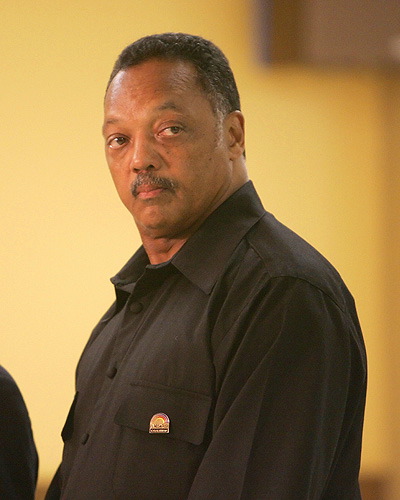
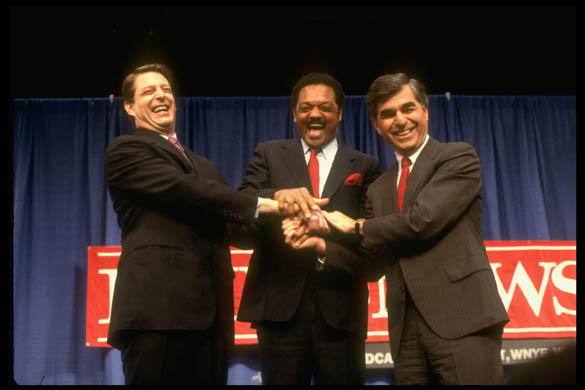
On the day of the primary, Bill tried to downplay the significance of an Obama victory by invoking the specter of Jesse Jackson. Asked by a reporter why it was taking “two Clintons to beat” Obama, he helpfully pointed out that "Jesse Jackson won South Carolina in '84 and '88. Jackson ran a good campaign. And Obama ran a good campaign here."


Despite his groundbreaking career as an outspoken civil rights activist and the first black American to make a serious bid for the White House, (and to knee-jerk racists, because of these things), Jackson remains a controversial figure to some voters. As CNN commentator Roland Martin put it, Jackson “is beloved in black America but stirs hatred in many whites.”

Clearly, Bill was trying to tar Obama with a negative brush. Either by associating him with Jackson solely because both candidates are black, or trying to remind voters that Jesse ultimately came up short in his unsuccessful runs for the presidency.


Obama has already far exceeded Jackson’s performance in the early primary states. In nearly all-white (91%) Iowa, Obama won with 38% of the vote, versus Jackson’s 9% when he finished fourth in 1988. In New Hampshire, Obama was a close second to Clinton with 37%, compared with 8% twenty years ago for Jackson.

In 1984, Jackson won South Carolina with 25% of the vote, and in ’88 he won again with 54%. But in both years, South Carolina held caucuses, and turnout was less than a tenth of the number who voted in this year’s primary. And Jesse Jackson was born in South Carolina.


Jackson’s insurgent campaigns were chronically underfunded and ran on shoestring budgets. By contrast, Obama has assembled one of the biggest fundraising operations in the history of presidential politics, raising $103 million last year, and an astounding $32 million during January 2008. Significantly, his funds have come from both large donors and a diverse, nationwide network of small contributors.

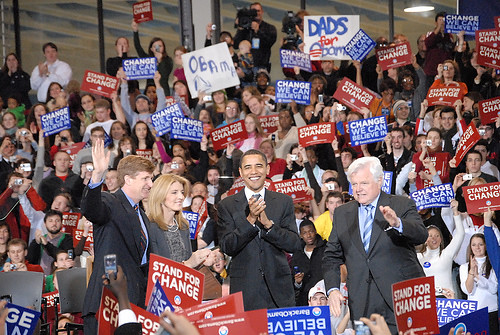
One of the highest ranking white elected officials to back Jackson in 1988 was the Agriculture Commissioner of Texas, progressive Jim Hightower. This year, the Democratic party establishment is genuinely split between Obama and Hillary Clinton. Liberal icon Ted Kennedy is only the latest prominent white Democrat to endorse Obama, following John Kerry, former Senate Majority Leader Tom Daschle, and a string of sitting Senators and Governors from red states including Sen. Claire McCaskill (D-MO), Sen. Ben Nelson (D-NE), Arizona Gov. Janet Napolitano, and Kansas Gov. Kathleen Sebelius.


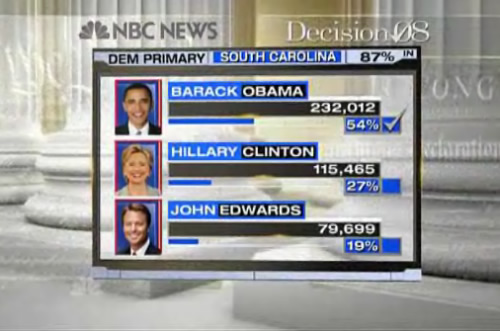
The minute S.C. polls closed, major news organizations immediately called the race for Obama, based on exit polls showing his huge win. He ended up with 55% of the vote to Hillary Clinton’s 27% and 18% for John Edwards.


As the shape of Obama’s landslide victory became clear, the Clintons (and reporters who fell for their race-baiting spin) were left with egg on their faces. Obama won more than twice as many votes as Clinton. He beat Clinton among independents by 40% to 23%. He carried black voters by a 4-1 margin.


But he also won a quarter of white voters, far more than the 10% forecast by pre-election polls. He won a majority of white voters under 30. He won nearly as many white men as Clinton. Obama probably would have done even better among white voters without S.C. native son John Edwards in the race, who took 40% of the overall white vote.

Carol Fisher, a middle-aged white voter from Greenville, South Carolina, explained her vote for Barack Obama when interviewed outside the polls. “I was just voting for, to me, the most attractive candidate overall. It had nothing to do with the fact that Hillary Clinton is a woman, so I would want to vote for her. I just think I’m voting for the best candidate.”


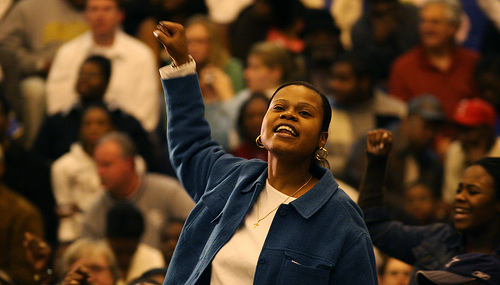
The competitive race sparked the second-highest voter turnout in history for a South Carolina primary - 530,000, just shy of the record 573,000 set in the 2000 Bush vs. McCain Republican primary smackdown. Even more amazing, voters who participated in the Democratic primary outnumbered the 446,000 who showed up for the Republican presidential contest a week earlier. It was the highest-ever Democratic turnout in the country’s most reliably Republican state.


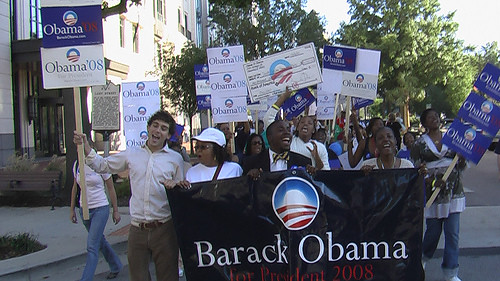
One behind-the-scenes factor firing up the huge turnout was Obama’s impressive field S.C. organization, the best in the state among presidential contenders of either party. On primary day, Team Obama fielded an army of 9,000 volunteers, flushing out voters from 150 different staging sites across South Carolina. By comparison, Hillary Clinton’s emergency ground operation in New Hampshire that helped pull her to victory numbered only 4,000.


Unfortunately for the Clintons, their plan to put Obama in a black box backfired. Not only did Obama win by a bi-racial landslide, but Bill Clinton’s legacy as a uniter of black and white Americans is now at risk.


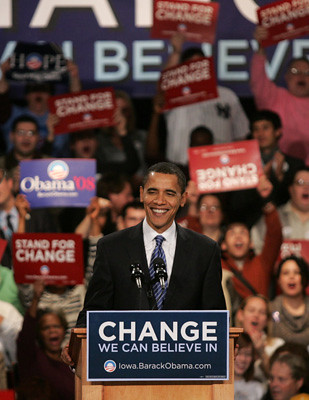
In his victory speech, Obama emphasized this election "is not about rich versus poor or young versus old, and it's not about black versus white. This election is about the past versus the future." A historic number of South Carolina voters seem to have agreed with him.

Monday, January 7, 2008

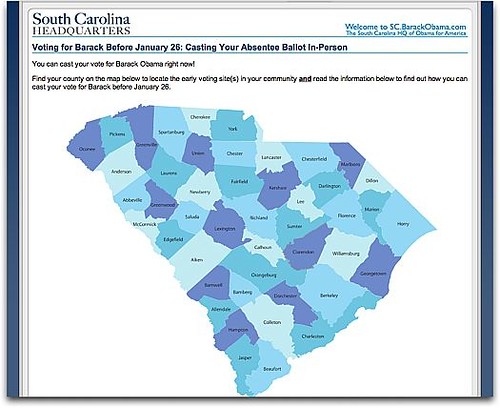
Baracking The Vote for Obama in South Carolina

DailyKos, TPMCafe & Triangle Share, 1-7-08

(Join volunteers from Triangle for Obama on Saturday, Jan. 26 in an election day caravan to South Carolina to get out the vote for Barack Obama. Take action to make change on this historic day! Volunteers will meet at Brier Creek Shopping Center, 8651 Brier Creek Pkwy, Raleigh. For more info, contact Carolyn Cameron @ (919) 321-2665 / carolyn-cameron@hotmail.com, or visit the Triangle for Obama Meetup Group. Obama's South Carolina webpage is http://www.sc.barackobama.com/.)

UPDATE 1/27/08: To help put Obama over the top, over 50 Triangle volunteers headed to South Carolina on Jan. 26 to get out the vote. (Triangle volunteers stump in S.C., News & Observer, 1/26/08). They were part of an Obama army of 9,000 primary day volunteers, flushing out voters from 150 different staging sites across South Carolina. The GOTV efforts paid off when Obama won in a landslide with 55% of the vote to Hillary Clinton’s 27% and 18% for John Edwards.

UPDATE 1/14/08: Approximately 35 Triangle volunteers joined together on Sat., Jan 12, meeting before dawn to caravan to South Carolina to canvass for the Obama campaign (Local Obama backers head to S.C., News & Observer, 1/11/08). That's fired up!

By M.L. Dexter and Erik Ose

Temo Figueroa, national outreach director for Barack Obama’s presidential campaign, had one question for the crowd of nearly 4,000 who turned out at a NCCU rally for Obama in early November. “How far is South Carolina?” he asked, while warming up the audience before the candidate took the stage. “Not far enough,” hollered back one supporter. But the gameplan was clear.


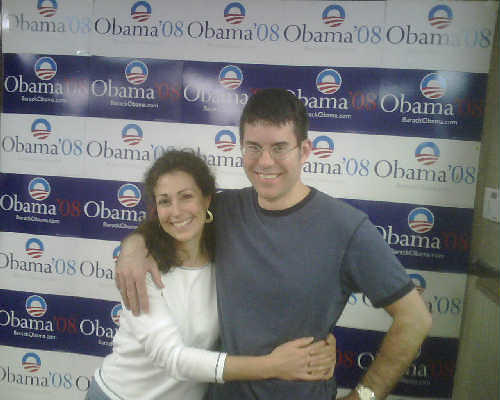
The Obama campaign was already thinking ahead, and touching down in Durham was as much about rounding up volunteers for South Carolina’s Jan. 26 primary as winning votes in North Carolina. Supporters who added themselves to the Obama campaign’s text message network at the rally were soon contacted and asked to make the journey south of the border. Which is how we ended up in Columbia, S.C. one weekend in December, canvassing and phonebanking likely Obama voters.


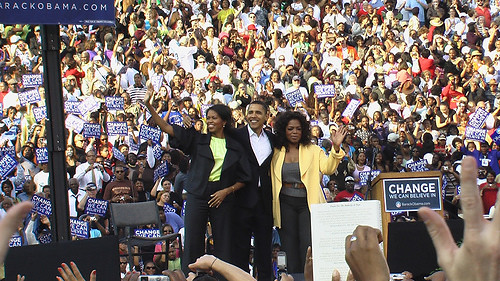
For us, driving from Chapel Hill, the answer to Teno’s question was about four hours. This was our second trip in two weeks, having also gone down to Columbia to witness Obama’s star rally with Oprah Winfrey.


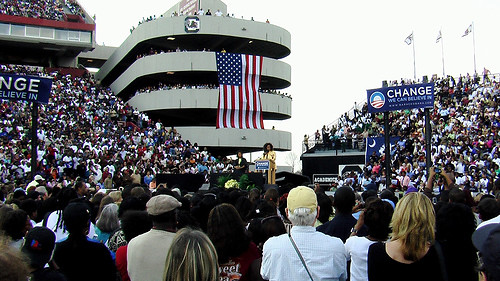
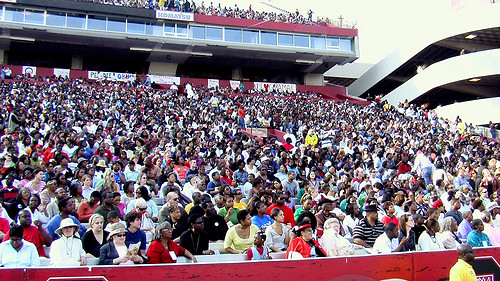
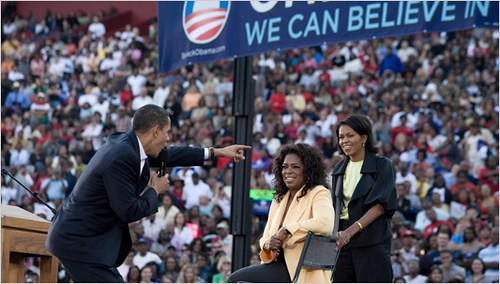
We listened to Oprah testify to the audience that “Dr. King dreamed the dream, but we don't have to just dream the dream anymore. We get to vote that dream into reality.” And watched as Obama brought the cheering, multi-racial crowd of 29,000 to its feet in a South Carolina football stadium, the first state of the old Confederacy to secede from the Union, with his stirring reminder that “The fire hoses came out, the dogs came out, but they kept on standing up. Because a few stood up, a few thousand stood up, and then a few million stood up, standing up with courage and conviction. They changed the world.” It was a historic moment.


We’ve volunteered and worked for political campaigns in the past, but this is the first time in several years we’ve both felt “fired up” about a candidate.


There were a lot of other volunteers on hand from neighboring states. A busload had driven up from Atlanta, and spent the day canvassing neighborhoods. Folks from Birmingham had come, too. And we met long-term volunteers, including a law student from UCLA who was spending his two-week Christmas break in Columbia, and a recent grad from Florida who had arrived a month earlier and was sharing an apartment with several other volunteers.


That weekend, the office was humming as volunteers struggled to process all 29,000 information cards that audience members had filled out as a condition of entry to the Oprah rally a week before.


Rally goers who had signed up as future Obama volunteers were being called and invited to organizational meetings across the state that coming week. Volunteers and staff members checked and updated each new name using the campaign’s existing database of registered voters and Obama supporters.


With every election cycle campaign technology improves, but we both felt Obama’s South Carolina operation was more organized than past campaigns we’ve worked on. And much more able to effectively harness volunteer energy, which is key for any successful campaign.


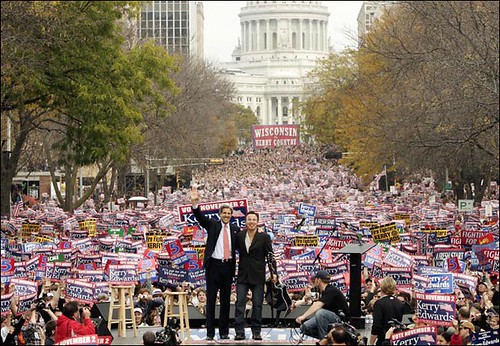
The fact that Team Obama asked for contact information from the 66,500 audience members who turned out for Oprah’s three-state endorsement tour was a smart move. In 2004, Bruce Springsteen held a concert rally for the Kerry-Edwards ticket in Madison, Wisconsin right before the November election, drawing a crowd of approximately 80,000. But no one knows for sure how many, because no tickets or personal information were collected.


“We estimated a good portion of them were new to the campaign and were hearing John Kerry for the first time,” said Stephanie Cutter, Kerry communications director. “The difference is we didn't sign those 80,000 people up to work for us in the Wisconsin general election. An endorsement is more than an endorsement when you're creating a field plan around it.”


Judging from the calls we made to volunteers who had signed on at the rally, their enthusiasm levels had cranked way up, and they were ready to work. More than a few exclaimed, “Fired up!” when they learned we were calling from Obama’s campaign. “I’ll be at the meeting, and I’m bringing my grandkids,” one woman told Erik. She was 80 years old.


“I’m coming straight from my job, but I’ll do it, and I can’t wait,” said a recent college grad. No problem getting there, every single person knew exactly how to get to the churches and other community locations where the organizational meetings were to be held.


In the afternoon, the campaign sent us out to canvass in a mostly black, core Democratic neighborhood near downtown Columbia. We visited houses with steep, crumbling, concrete steps and doors falling off their hinges. Just on one side on a short street, two of the hand-picked addresses of voters who had consistently voted for Democrats were now abandoned – one because of arson, the other just falling down.


We each took one side of the street. At first, our knocks on doors were mostly unanswered. Before we moved on to the next house on our lists, those silent doors received small brochures about why to consider voting for Obama.

Sometimes, people responded to our knocking. Suspicious faces appeared behind torn screen doors. Their first glances at us, white people carrying clipboards, must have meant nothing good to them, because their faces registered mistrust and wariness. We quickly learned to say right away, “We’re volunteers with the Barack Obama campaign.” This simple sentence allowed a conversation to begin, and literally led to doors opening. And always, the suspicion was replaced with real interest.

Walking between houses, M.L. was met by a young man coming towards her. She asked if he was registered to vote. He said he couldn’t vote because he was a convicted felon, but could get his rights restored if he paid some money, and should be able to vote in the next election. He said he would vote for Obama. Then he asked, “Do you think he’ll do anything about this?” as he pointed to the decrepit and empty houses on his street. M.L. said, “I think he’ll try,” and handed him a brochure.


With the black vote estimated to make up at least half of the Democratic primary electorate in South Carolina, it’s crucial for Obama to win by a large margin among black voters. For most of last year, he and Hillary Clinton ran roughly even. Post-Oprah, polls showed Obama pulling away. He led one CBS poll in mid-December by 52% of black voters to Clinton’s 27%, with John Edwards at 2%.

Several times, the folks we talked with said they were considering Obama, but “wanted to see how things shook out.” They hadn’t made up their minds, were leaning his way, just still didn’t know if Barack could go the distance.


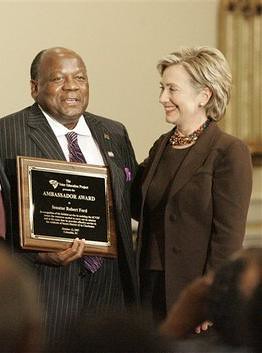
This dovetails with how interviews with black voters in South Carolina have repeatedly shown they were uncertain white voters would support Obama. S.C. state senator Robert Ford is one of Hillary’s prominent African-American backers in the state. He made headlines last February by claiming that with an Obama nomination, “every Democratic candidate running on that ticket would lose because he's black and he's at the top of the ticket.”


Yet Obama’s Iowa win, and the increased turnout for the state’s Democratic caucuses (239,000 showed up, versus 125,000 in 2004) seems to show his potential for expanding the Democratic vote in November. The energy is clearly with the Democrats in 2008, hungry for change after the two-term debacle of George W. Only 108,000 dispirited Republicans voted in Iowa, less than half the numbers that turned out on the Democratic side.


With the presidential primary schedule compressed like never before, there’s little time for rivals Clinton or Edwards to play catchup. Obama’s convincing victory in Iowa gives him momentum leading up to New Hampshire’s primary, where the polls previously showed him neck and neck with Clinton. And if he wins both, the two whitest early states (91% non-Hispanic whites in Iowa, 94% in New Hampshire), the last obstacle to a tidal wave of support for Obama among black voters in South Carolina will have been swept away.

Obama reminds crowds at every stop how his energy got a boost in our neighboring state, when a Greenwood, S.C. city councilwoman named Edith Childs introduced him to the chant he now uses to get audiences “fired up and ready to go!


If the time proves right for an Obama presidency, a win in South Carolina on Jan. 26 will have done even more to pave the way.

Wednesday, October 31, 2007

Death of a Political Hero – Joe Herzenberg (1941-2007)

Orange Politics 10-31-07, Carrboro Citizen 11-15-07, & Chapel Hill News 11-21-07

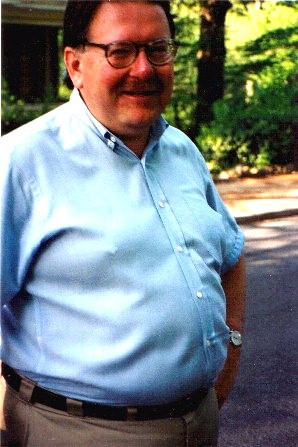
Joe Herzenberg, 1989

With the death of Joe Herzenberg on Oct. 28, Chapel Hill has lost a true political hero, and one of its most caring, kind, and generous lights.

His victory in 1987 as the first openly gay man elected to public office in the South inspired countless future leaders. He championed progressive causes throughout his life, starting with his civil rights work in Mississippi during the 1960’s. Joe went to Mississippi as a Freedom Summer volunteer in 1964, and worked to register black voters who had been denied their democratic rights.

“Participating in the Freedom Summer was not a casual decision…gay Jewish Yankees from Yale were being murdered by the cops in Mississippi,” said Mark Chilton, one of Joe’s political protégés and the current mayor of Carrboro. "I remember him telling me about how the local county boards of election would refuse to let them have copies of the voter registration rolls." The volunteers sat in the election board offices and copied the voter registration lists by hand.

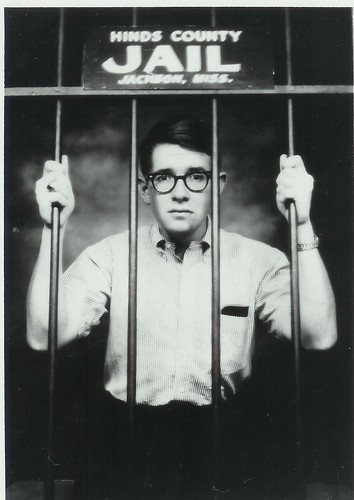
Joe was jailed during civil rights protests in Canton, Mississippi, but this gag photo was taken at the last ever segregated (“colored”) county fair in Jackson, 1965.

In 1969, Joe came to Chapel Hill as a graduate student and soon began working to elect progressives in North Carolina. Joe helped register thousands of students in Chapel Hill to vote for the 1972 elections. He served as campaign manager for Gerry Cohen, who in 1973 became the first graduate student to win a seat on the town’s Board of Aldermen.

And then Joe was defeated in his first campaign for a Board seat in 1979. Later that year, Joe was appointed to fill Cohen’s unexpired term as Alderman, when Cohen stepped down to run for Mayor. He would lose his race for re-election in 1981, the same year his partner, Lightning Brown, also ran unsuccessfully for the Board. Joe lost another bid in 1985, but he wouldn't give up. He finally returned to the (re-named) Town Council through his victorious campaign in 1987.

“Not many among us could have summoned the energy — the courage, really — for a fourth run at the town council,” said Matt Stiegler, attorney with the ACLU Capital Punishment Project. “Joe did.”

Joe on North Street in Chapel Hill, 1991

Seeking public office as a gay man in the South, at the time, was a very courageous act. Less than a year before Joe's first campaign, on November 27, 1978, Harvey Milk, the first openly gay member of the San Francisco Board of Supervisors, was assassinated in City Hall after only 11 months in office. Harvey Milk was a hero to Joe Herzenberg, and in turn, Joe became one to a new generation of progressive activists and politicians in North Carolina – gay, lesbian, and straight.

Mark Kleinschmidt, director of the Fair Trial Initiative and a current member of the Chapel Hill Town Council, credits Joe as his inspiration for entering politics.

"I just got off the phone with a friend in California," said Kleinschmidt. "My friend and I both arrived in Chapel Hill as UNC freshmen almost 20 years ago. Both of us had grown up in small North Carolina towns. Upon arrival, we learned about a man who just a year earlier had dared to honestly present himself to his community as an openly gay man and at the same time ask this same community to elect him to office. No one had successfully attempted such an audacious political act. During our conversation, my friend and I both confessed that it was the moment we heard about this guy that we knew we had found our 'home town.'"

“His election twenty years ago…changed the South,” said Mike Nelson, Orange County Commissioner and former mayor of Carrboro, who was Joe’s campaign manager in 1987 and the first openly gay mayor in N.C. “That election began a slow march, a journey, that led to Carrboro becoming the first municipality in the South to adopt domestic partnership benefits, to the governor appointing John Arrowood to the NC Court of Appeals, and to Jim Neal becoming the first openly gay man to run for U.S. Senate in North Carolina.”

I think I first met Joe in 1990 as a UNC undergrad. We shared mutual interests in Democratic politics, the local political scene, and of course, voter registration. Joe was thrilled at the idea of trying to re-awaken the sleeping student vote in Chapel Hill. He encouraged me at every turn to make it happen. With his help, we registered over 15,000 students to vote on campus during the early to mid-90’s, plus 10,000 more statewide.

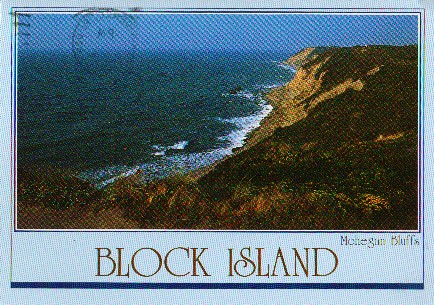
We also bonded over my home state of Rhode Island. Joe spent part of almost every summer vacationing with his family on Block Island, a beautiful, unspoiled little island off the coast of Southern RI that he loved.

Like many who knew him, I have a small collection of postcards that Joe sent me over the years. His handwritten gestures followed me wherever I moved.

Joe befriended and mentored young people in this town. It was a part of who he was, like his thoughtful postcards. And he kept up his interest even after most of us graduated and drifted away from Chapel Hill.

He didn’t like e-mail or computers. Dubbed the "Mayor of Franklin Street," Joe liked walking around town and talking to people. He was old fashioned and very human.

Joe made me aware of the example set by civil rights activist Allard Lowenstein, a kindred spirit who, like Joe, had a flair for inspiring the young, worked tirelessly for progressive causes, and shared Chapel Hill ties. Both Joe and Allard Lowenstein are near the top of my list of all time heroes, and I think it’s fitting that one introduced me to the other.

When Joe believed in something, he put his energy, resources, and spirit behind it. And it was infectious. His enthusiasm and sense of the possible about doing good in local politics got me and plenty of others involved.

In 1992, Joe was a founding board member of Pride PAC, a statewide lesbian and gay political action committee now named Equality NC. Its work has helped elect a string of out and gay-friendly officials in North Carolina, including State Senator Julia Boseman, the state’s first openly lesbian legislator.

Joe found himself targeted by Jesse Helms’ hatemongering when he and his partner vocally campaigned for Gov. Jim Hunt against Helms during their hard fought 1984 Senate race. In one memorable televised debate, Helms gay-baited Hunt by thundering, “You’re supported by people like Joe Herzenberg and Lightning Brown!”

Posing as reporters for the black and gay press, right-wing Helms fanatics made and taped phone calls to gay activists around the country who were backing Hunt. Articles based on distorted excerpts from the phone calls were then published in issues of The Landmark, a conservative Chatham County newspaper.

Headlines screaming “Jim Hunt Is Sissy, Prissy, Girlish and Effeminate," and asking, “Is Jim Hunt homosexual?...Is he AC and DC?” appeared throughout 1984 in The Landmark. Funded by shadowy Helms backers, hundreds of thousands of free copies of the paper were distributed around the state, particularly in rural areas.

Joe and Lightning were the smear campaign’s N.C. poster children. According to Lightning, one caller "asked about my fund raising for Hunt. The details ended up in The Landmark right away - it was frightening." Joe and Lightning each received one of the Independent Weekly’s first Citizen Awards that year, for speaking out against “political terrorism.”

"I think gay political people elsewhere in the country think we are so brave down here having to deal with Jesse Helms," Herzenberg said. "But I've never met Jesse Helms. He doesn't live in my town. Really, life isn't so difficult here in North Carolina."

- Joe, characteristically modest, as quoted in the Chapel Hill News, April 12, 2002.

Joe in Chapel Hill, 1991

Joe crusaded to elect Democratic candidates to office, from the local to national level. He personally provided crucial early financial, organizational, and moral support for countless progressive campaigns in N.C.

One prominent example was when Joe backed former Charlotte mayor Harvey Gantt for the Democratic Senate nomination in 1990. At the time, the party establishment was lined up behind Mike Easley, then a little known Eastern N.C. prosecutor. Easley’s chief qualification among party insiders for taking on Jesse Helms seemed to be that unlike Gantt, his platform was more middle of the road than inspiring, and he wasn’t black.

And in 1998, Joe was a very early backer of John Edwards’ populist, outsider Senate campaign, despite the overwhelming support by Chapel Hill political elites for UNC Vice President D.G. Martin.

“In primaries, always vote your heart. You will have plenty of time to vote your head in the general election.”

- political advice from Joe in the 1980's, as remembered by Mark Donahue

The list of local, progressive elected officials whose campaigns Joe helped or mentored is lengthy, but some notable ones are Mike Nelson, current Orange County commissioner and former mayor of Carrboro; Ellie Kinnaird, also a former mayor of Carrboro and current N.C. State Senator; Mark Chilton, current mayor of Carrboro, and the first undergraduate student ever elected to a town council seat in Chapel Hill; and current Chapel Hill Town Council members Mark Kleinschmidt and Sally Greene.

Before coming to North Carolina, Joe served as chair of the history department at Tougaloo College, a historically black college in Mississippi.

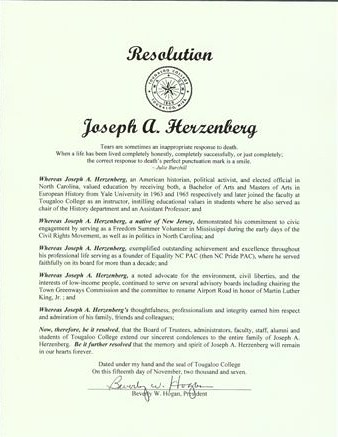
Nov. 15, 2007 resolution honoring Joe issued by Tougaloo College

He was keenly aware of how history shapes the present day, and fought to have the town of Chapel Hill do more to recognize the contributions made by some of its overlooked citizens.

Joe urged us to remember people like Samuel Phillips, one of the state's leading Radical Republicans, who prosecuted the KKK as a federal attorney during Reconstruction and was appointed Solicitor General by President Grant. And John Dunne, Patrick Cusick, and Quinton Baker, leaders of the local civil rights movement in the 1960’s. Their story is told in John Ehle’s long out of print book The Free Men, recently reissued in paperback, which documents the gripping events of this turbulent, too-often glossed over chapter in Chapel Hill’s past.

"At some point in the future ... there ought to be some official town notice of the three main leaders of the civil rights leaders in Chapel Hill: John Dunne, Pat Cusick and Quinton Baker. They did back in 1963 and 1964 what very few citizens of our town were willing to do, unfortunately, which was to stand up for what was right," he said. "They deserve some acknowledgment."

- Joe speaking before the Chapel Hill Town Council, as quoted in the Chapel Hill News, March 29, 2006

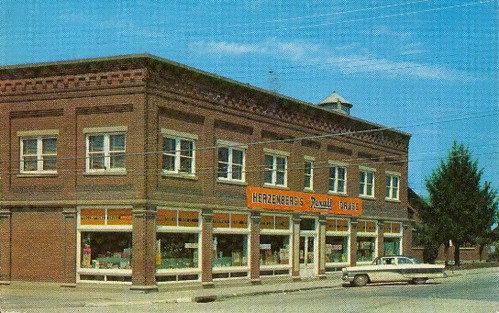
Looking back on the conversations we had, I think about all the places around town I remember talking or having lunch with him. I loved talking with Joe. Besides his always perceptive take and inside dope on the latest political news, he was full of personal stories - about his adventures growing up in Franklin, New Jersey (where his father owned the local drug store), living and working in Mississippi during the 60’s, and what Chapel Hill was like in the 70’s and 80’s. He was our resident wise man.

"It is very important, when running a government, to know what happened the day before yesterday or the year before last."

- Joe on Nov. 4, 1991, the day before he was re-elected to office with the highest vote total of any Chapel Hill Town Council member

Herzenberg family drug store, Franklin NJ, 1950's

I’ve been numb ever since I first heard the news yesterday morning. The last time I saw and spoke with Joe was at the grocery store. We talked for a while, first walking the aisles, then I followed him outside and said goodbye when his faithful friend and caregiver Kathie Young pulled the car around. I realized from what he told me how close he’d come to death about a year ago. But he looked much better.

I regret not seeing more of Joe over these past couple of years. I’m mad that he’s left us too early. I’m sorry he got so sick, but I remember him full of life and laughter. I’ll miss him. He devoted his life to standing up for equality and justice, and everyone who believes in these ideals will miss Joe, too.

UPDATE 11/3: Additional recollections about Joe Herzenberg's life have been posted by Gerry Cohen, Sally Greene, Paul Jones, Mike Nelson, Mark Kleinschmidt, Mark Chilton, Matt Stiegler, Mark Donahue, Diana McDuffee, Becky Carpenter, Jason Baker, Ron Hudson, Kathy Hudson, Austin Miller, Will Raymond, Brad Crittenden, and many others on Orange Politics.

Joe in 2000, as featured in Out and Elected in the U.S.A. photo exhibit

UPDATE 11/6: Two oral histories featuring Joe are available for listening online from Documenting the American South, a project of UNC-CH's Southern Oral History Program.

The first is from November 22, 1976 (the 13th anniversary of JFK's assassination), and features Joe interviewing Anne Queen, legendary former director of the Campus Y at UNC-CH in the 1950's and 60's. They discuss the history of radical politics in the South and Chapel Hill during those years, activism in the 70's amidst the "growing apathy of students on university campuses," and hopes for the future following Jimmy Carter's election in 1976.

The second is an interview with Joe taped almost a decade later, on November 18, 1985. He is identified as a "Chapel Hill politico," and explains his support for the controversial issue of the day, OWASA's construction of Cane Creek Reservoir. Joe also comments on the local political scene, and mixes in helpings of his own political philosophies, like this gem:

"To be American means having to deal with change. That is what is so strikingly obvious to me about what American History is all about. We have been, for more than two centuries now, a very dynamic country where things are always changing. It's difficult for people to deal with that and accept that, even though we have a tradition for it."

The endnotes of this particular interview's transcript are labeled "About Joe Herzenberg, Interviewee." They were clearly written by Joe himself, and made me feel like I'd discovered one of his final, hidden jokes when I found them:

Joseph Herzenberg, a native of Franklin, New Jersey was born in 1941, professes a Master's Degree in European History from Yale University. Tired of being a student, and following the removal of a kidney, he “was tired and needed a rest” so he undertook a teaching position at Tougaloo [Mississippi] College where upon he came to realize that he was “never [more] tired in my life. It was exhausting!” He has been a resident of Chapel Hill since 1969, currently sharing his abode with one “Harriet Levy” who was reluctant (by omission) to espouse the interviewee's political alignment—democrat, “both kinds”. Asked to wrap up his feelings about this issue in nutshell, Herzenberg magnanimously responded, “I'm sorry if people have to suffer sometimes, particularly if they're straight."

UPDATE 11/17: For more stories about Joe, tributes delivered at his 11/15 memorial service in Chapel Hill, and additional materials documenting his life, including photos and videos, visit the memorial blog Remembering Joe Herzenberg.

Rogues Gallery

All Posts by Category

Tags

#ChapelHillShooting #MuslimLivesMatter (1) $400 haircuts (3) 1960s (1) 1980s (1) 1984 (1) 1988 elections (1) 1989 (1) 1990 elections (3) 1992 elections (1) 1993 (3) 1994 elections (1) 1996 elections (3) 1998 elections (1) 2000 elections (3) 2004 (7) 2004 elections (2) 2008 (32) 2008 congressional races (2) 2012 elections (3) 2014 elections (13) 2016 elections (7) 527 groups (1) 9/11 (4) 9/11 first anniversary (1) Abba Eban (1) Abbe Raven (1) Abbie Hoffman (2) ABC (1) abortion (3) action alert (7) activism (2) advertising (2) advocacy (1) affair (4) Affordable Care Act (1) affordable housing fund (1) afghanistan (2) Age of Obama (1) AIDS (1) AIDS victims (2) AIPAC (1) al gore (2) Al Sharpton (1) Alec Guettal (3) alienation (2) Alison Lundergan Grimes (1) alternative energy (10) Alzheimer's (1) amanda marcotte (2) American Left (4) Americans for Limited Government (1) Americans For Prosperity (1) Amnon Rubenstein (1) andrew young (3) Angelo Robinson (1) anti-communism (1) anti-gay bigotry (1) anti-gay violence (1) anti-immigration activists (2) anti-science (1) anti-Semitism (1) anti-vaccine (1) anti-vaxxers (1) anti-war (6) appeal to southern voters (1) apprentice (1) Ariel Sharon (1) Ashley Todd (2) assassinations (2) Astroturf (1) atheism (1) attack ads (5) attack on voter rights (4) Australia (1) autism (1) average Americans (1) baby boomers (1) baby formula (1) bank of america (1) bankruptcy reform (1) barack obama (24) Barry Commoner (2) BBC (1) Benghazi (1) Benjamin L. Ginsberg (1) Bensonhurst (1) Berkeley (1) Beth Ising (2) bi-racial coalition (1) Biden-Palin Debate (1) big banks (1) big money (4) bigotry (7) bill clinton (6) bill donohue (1) Bill Hedrick (1) Bill O'Reilly (1) billionaires (1) Billy Bragg (1) Black Cultural Center (1) Black Lives Matter (4) black voters (7) Blan Holman (1) block the vote (1) bloggergate (1) bloggers (1) blogosphere (1) Bob Dole (1) Bob Iger (1) bob johnson (1) body cameras (1) books (3) Borders (2) BP (2) Brad Blog (1) Brad Friedman (1) Bruce Braley (4) budget deficit (1) bush (7) Bush Administration (2) bush administration misconduct (3) bush donor (1) bush on steroids (1) bush v. gore (1) California (1) Camilo Padreda (1) campaign feud (1) campaign finance reform (8) campaign gaffes (2) campaign scandals (4) campaigns (1) can edwards win (3) canvassing (1) capitalism (2) Catalyst (5) censorship (5) Cesar Chavez (1) Chad Taylor (1) Channel One (1) chapel hill (7) chapel hill town council (3) Charlie Black (1) Charlie Crist (1) Chatham County (1) chemical industry (2) children (1) chris hughes (1) Chris Whittle (1) Christine O'Donnell (1) CIA (3) CIA recruiting (1) CIA torture report (1) citizen participation (1) Citizens United (1) civil disobedience (2) civil rights (7) civil rights movement (1) civilian casualties (2) Civitas Institute (1) class issues (1) Clean Up Congress (1) Clear Channel (2) Clinton Administration (3) code words (1) Cold War (1) colin powell (1) Colin Small (1) college campuses (2) colonialism (1) columbia (1) community reinvestment (1) community reinvestment act (1) concentration of mass media ownership (4) Concord (1) congress (7) conservation (1) consumer fraud (2) consumers (2) Coors (1) corporate accountability (8) corporate front groups (1) corporate giveaways (2) corporate greed (1) corporate influence (4) corporate media (2) corporate misconduct (8) corporations (8) corruption (1) counter-inaugural (1) CRA (1) cra-nc (2) Craig Hicks (1) CRomnibus (2) crony capitalism (1) cross burnings (1) Crossroads GPS (1) Cuba (1) cuban exiles (1) cultural imperialism (1) Dale McKinley (1) damage control (2) Dana Rohrabacher (1) dark money (3) Darren Wilson (2) David Ball (2) David Brower (1) David Dellinger (1) David Duke (1) David Horowitz (1) Deah Barakat (1) debates (1) Debbie Cook (1) demagogues (3) democracy (6) Democratic Convention (1) democratic nomination (15) democratic party (2) Democrats (2) Denis Hayes (1) deregulation (1) detainees (1) Dick Cheney (1) dictatorships (1) dirty tricks (4) discrimination (1) Disney (1) disparate treatment (1) diversity (1) divisive politics (3) Dominican Republic (1) Donald Rumsfeld (1) donald trump (4) dumpstering (2) durham (2) e-mail (2) early voting (2) Ebola (2) economic inequality (2) economic issues (1) economy (4) ed meese (1) Ed Rollins (1) Edison Project (1) edith childs (1) education (2) edwards affair (4) election day 2008 (1) election fraud (1) electoral college (1) Eliot Spitzer (1) Elizabeth Dole (1) elizabeth edwards (2) Elizabeth Warren (3) Emily Lawson (1) employee pensions (1) end racism (4) energy independence (9) entertaining ourselves to death (5) environment (15) environmental pollution (5) environmental racism (2) Eric Garner (2) Eric Holder (1) Eric Odell (2) Ericka Kurz (21) evan bayh (1) Executive Orders (1) expenditures (1) exploitation of 9/11 (2) Exxon Valdez (1) factory farming (1) Faux News (1) FBI (1) Fear (1) fec (1) feminism (1) Ferguson (3) Fidel Castro (2) field plan (1) financial house of cards (1) fire (1) Fire From The Mountain (1) firebombing (2) fired up (1) first openly gay elected official in south (1) Florida (1) florida recount (1) foreign policy (1) Fox News (1) fraud (1) fraudulent inauguration (2) Frederick Douglass (1) Free Speech Movement (1) freedom songs (1) friend (1) fuel efficiency (1) fundraising (2) gary hart (1) gay (6) gay history (2) gay marriage (1) gay-baiting (4) Gaza (2) gen. david petraeus (1) gender equality (1) general election (23) Generation X (1) George H.W. Bush (9) George Norris (1) george w. bush (12) Geraldine Ferraro (1) Germany (2) gerrymandering (1) get-out-the-vote (3) GLBT community (1) global warming (2) GOP (27) GOP Slime Machine (10) GOTV (3) government harassment (1) government secrecy (1) great recession (1) greed (1) Greg Orman (1) grocery store (1) ground game (1) ground zero (1) GSE's (1) guerrillas (1) guest workers (1) Gulf War (5) gun violence (1) h+r block (1) hackers (2) Hamas (2) Harriet Ann Jacobs (2) Harris Wofford (1) Harry Blackmun (1) Harry Truman (1) Harvey Gantt (6) hate crimes (1) hate-mongering (3) hatred (3) health care reform (4) hedge funds (2) Helen Caldicott (2) Henry Hyde (1) Henry Kissinger (1) Henry Louis Gates Jr. (1) hero (1) Hezbollah (1) hillary clinton (14) historical amnesia (1) history (1) hit the road jack (1) HMO's (1) Ho Chi Minh (1) hoaxes (1) Holocaust (1) home foreclosures (1) homophobia (1) housing (1) Howard Rich (1) HR 1461 (1) Huks (1) Human Rights Campaign (1) hurting communities (1) i feel pretty (1) iit’s a wonderful life (1) immigration (4) immigration action (1) immigration reform (3) Inauguration Day 2009 (1) Incidents In The Life of a Slave Girl (2) income inequality (1) Indigo Girls (1) industrial agriculture (1) industrial revolution (1) integration (1) intelligence community (1) international relations (1) Invasion of Panama (1) Iowa (4) iowa caucuses (1) Ira Magaziner (1) Iran/Contra scandal (1) iraq (2) iraq war (4) iraq war costs (2) Irgun (1) ISIS (1) Islamic State (1) Islamophobia (1) Israel (5) Israeli Labor Party (1) Israeli-Palestinian conflict (6) James Bay II (1) James Carville (1) james watt (1) January 20 2001 (2) January 20 2009 (1) jeb bush (3) Jenn Karson (1) Jenny McCarthy (1) Jeremiah Wright (1) Jerry Falwell (1) Jerry Rubin (1) Jesse Helms (13) jesse jackson (3) Jessecrats (1) Jesus de Galindez (1) JFK Assassination (1) Jill Biden (1) Jim DeMint (1) Jim Hunt (3) Jimmy Langman (3) job losses (3) joe biden (3) joe herzenberg (3) Joe Sestak (1) joe trippi (1) John Boehner (3) john edwards (12) john kerry (4) John Lennon (1) John Locke (1) John McCain (16) John Moody (1) john poindexter (1) John Raese (1) John Reich (1) John Sinclair (1) Joni Ernst (5) June 24 1973 (1) justice (2) justice for all (1) Justice for Mike Brown (1) Kansas (2) Karl Marx (1) Karl Rove (5) Kay Hagan (4) Kayla Mueller (1) Ken Calvert (1) Kentucky (1) Kirti Shastri (1) KKK (1) Koch brothers (4) Korean War (1) Ku Klux Klan (2) labor unions (2) Lakota Woman (1) Lamar Alexander (1) Larry Kissell (1) Latin America (2) Latinos (2) Lawton Chiles (1) lazy journalism (1) Lebanon (1) lee c. wilson (1) legal system (1) Lehman Brothers (1) lesbian (1) liberation theology (1) Libya (1) Likud (3) Linda Brent (2) Lisa Abbott (3) lobbying (1) Louisiana (1) love child scandal (2) lynching (1) macaca moment (1) MAJIC (1) Mandy Carter (1) Marco Rubio (1) Mark Chilton (2) Mark Kleinschmidt (1) Mark Penn (1) marketing (2) Martin Frost (1) Martin Luther King Jr. (1) Mary Brave Bird (1) Mary Crow Dog (1) maternity leave (1) Matt Czajkowski (1) max cleland (1) mayor of franklin street (1) mbna (1) McCain missteps (2) McCain VP (7) McCarthyism (1) McDesperate (4) measles (1) media (2) media bias (3) media failed to inform (2) media hysteria (1) media monopolies (3) medical insurance industry (3) Medicare (1) melissa mcewan (1) memorial (1) Menachem Begin (2) mentor (1) merger (1) Michael Bell (1) Michael Brown (3) Michael Stipe (1) Michele Bachmann (1) Michelle Bachmann (1) michelle malkin (1) Michigan (1) middle east (1) Miguel Recarey (1) Mike Castle (1) Mike Easley (2) Mike Hummell (1) military-industrial complex (3) Millennials (1) Milton Wolf (1) minimum wage (1) mission not accomplished (1) Mitch McConnell (3) Mitt Romney (6) Mobil (2) molly ivins (1) money (1) Moral Majority (3) MOVE (4) multiculturalism (1) multinational corporations (2) Muslim Americans (1) mybo (1) NAACP (1) Nat Turner (1) Nathan Sproul (1) Native Americans (2) nc (4) NC Legislature (1) NC MOBE 96 (1) NC PDP (1) neo-nazis (1) Nestle (1) netroots (3) New Left (1) New Orleans (1) New World Order (1) New York City (3) Nicaragua (2) no justice no peace (1) No More Bushes (1) nobama democrats (1) non-profits (2) North Carolina (23) North Korea (1) nuclear industry (3) Obama Inauguration (1) Obamacare (1) Obsession DVD (1) OCAW (1) occupied territories (2) October 28 2007 (1) offshore drilling (1) Ohio (1) oil (10) oil industry (6) oliver north (1) Omar Cabezas (1) online organizing (1) oppression (2) oprah (1) organizing (12) Orlando Bosch (1) Osama Bin Laden (1) ots (2) outrage (1) overconsumption (1) Palestine (1) pandagon (1) pat buchanan (1) Pat Roberts (2) Pat Toomey (1) patriarchy (2) Paul Wellstone (1) payday lending (1) peace (4) peace is patriotic (1) Peggy Young (1) Pennsylvania (2) Penny Rich (1) Peter King (1) petition (2) pharmaceutical industry (1) Phillipines (1) phonebanking (1) phony billionaire (1) picketing (1) PIRGs (1) PLO (2) police accountability (4) police brutality (5) police oversight (4) political committees (1) political consultants (1) political heroes (1) polls (1) pottersville (1) President Obama (4) presidential campaign (30) privatization of education (2) pro-war propaganda (1) profits (1) progressive Democrats (3) progressives (1) property (1) protest (2) protests (6) Public Citizen (1) public health (2) public opinion (2) publishing industry (2) pulp (1) pulping (2) PUMA (1) race card (1) race relations (5) race riots (2) racism (22) racist terrorism (1) radicals (2) Rafael Trujillo (1) rally (1) ralph nader (3) RALs (1) Rand Paul (2) ray charles (1) reading list (3) reagan's racism (1) recall elections (1) recession of 1991-92 (2) recession of 2008 (1) redbaiting (1) redistricting (1) refugee camps (1) refund anticipation loans (1) reproductive rights (1) Republican National Convention (2) republican party (2) Republican Study Committee (1) returns (2) revolution (1) rich donors (2) Richard Fink (1) Rick Santorum (1) Rick Scott (1) rielle hunter (2) Right Wing (11) right wing Republicans (11) RIP (3) rip-off (1) Robert McCulloch (1) Robert Mercer (1) Robert Redford (2) Robin Hayes (1) ronald reagan (2) Ruby Sinreich (1) rudy giuliani (1) ruling class (1) rush limbaugh (3) Sabra and Shatilla Massacres (1) Sam Brownback (2) same-sex marriage (1) Sandinistas (1) Sarah Palin (14) SAU (1) savings and loans (1) Scamdal (1) schools (1) Scientology (1) Scott Brown (1) SDS (2) SEAC (20) selected not elected (1) Senate races (10) sept. 11 (4) sept. 11 2002 (2) sexism (2) Sharron Angle (1) Sheldon Adelson (1) Shimon Peres (1) single payer health system (2) Six-Day War (1) slaveholders (1) slavery (2) Smithfield Foods (1) social movements (1) social networking (1) solar panels (1) soul music (1) south carolina primary (4) Soviet Union (1) spat (1) Sprint (1) Stand With Peggy (1) state governments (1) Steve Scalise (1) Steve Schmidt (3) stolen election (5) stop bush (1) StopBrownback (1) strange incidents (2) street theatre (1) Student Action Union (1) student activism (19) student voting (3) students (11) subprime lending (1) super PACs (2) superdelegate petition (2) superdelegates (2) supreme court (5) susan baylies (1) swine flu panic (1) Syria (1) take action (16) tax code fairness (2) Tea Party (8) Ted Cruz (3) terrorism (2) Terry Sanford (1) The Revolt (1) The Zionist Dream Revisited (1) these guys (1) third world (3) Thom Tillis (3) Thomas Frank (1) Threshold (8) tim kaine (1) Time Warner (1) tobacco industry (1) Tom DeLay (1) Tongass National Forest (1) Tony Coelho (1) Tony Mazzocchi (1) torture (1) Troopergate (1) trump was born wealthy (1) U.S. power structure (2) UNC-Chapel Hill (5) undocumented immigrants (2) unemployment (1) United Kingdom (2) universal healthcare coverage (6) unprovoked war (1) UpStairs Lounge (1) uranium mining (1) US foreign policy (2) US support for Israel (2) vaccines work (1) Vandana Ramaswamy (1) VANISH (1) veepstakes (4) vice president (6) Vietnam War (7) VOE (1) volunteers (6) vote packing (1) voter education (2) voter ID (1) voter intimidation (2) voter mobilization (1) voter registration (12) voter suppression (9) voter turnout (8) voter-owned elections (1) voters (7) voters for obama (2) voting (1) voting problems (1) voting rights (1) vp (1) Waldenbooks (2) Wall Street (2) walter mondale (1) war (6) war in iraq (5) war on terror (4) war on women (1) war profits (1) War Resisters League (1) war toys (1) war weary (1) waste (2) waterboarding (1) wealth (2) white supremacy (3) Whittle Communications (1) Winona LaDuke (3) Wisconsin (2) women (1) Woodrow Wilson (1) Woodstock (1) workers (1) workplace discrimination (1) World War One (1) xenophobia (2) Yippie! (1) Yitzhak Rabin (1) you're fired (1) young voters (1) youth (1) youth empowerment (2) youtube (1) Yusef Hawkins (1) Zionism (2)

Even More Outrage via Leftweets.org

Twitter Outrage News Feed